Wearable devices are being used everywhere, and workplaces are no exception.
Especially for manufacturing facilities with complex operations and a large area to cover, wearable devices for safetycan be very helpful to monitor the safety of the employees. Providing a way to collect useful data that would otherwise be too costly or difficult to gather, wearable devices for safety help businesses address the most pressing safety issues in their facilities, which can improve employee morale while also minimizing costs associated with workers’ compensation, insurance claims, lost productivity and medical expenses.
There are endless use-cases for wearables that can be altered based on an organization’s specific safety needs. Here are 5 ways you can implement wearables devices for safety in manufacturing facilities:

Table of Contents
Panic Button
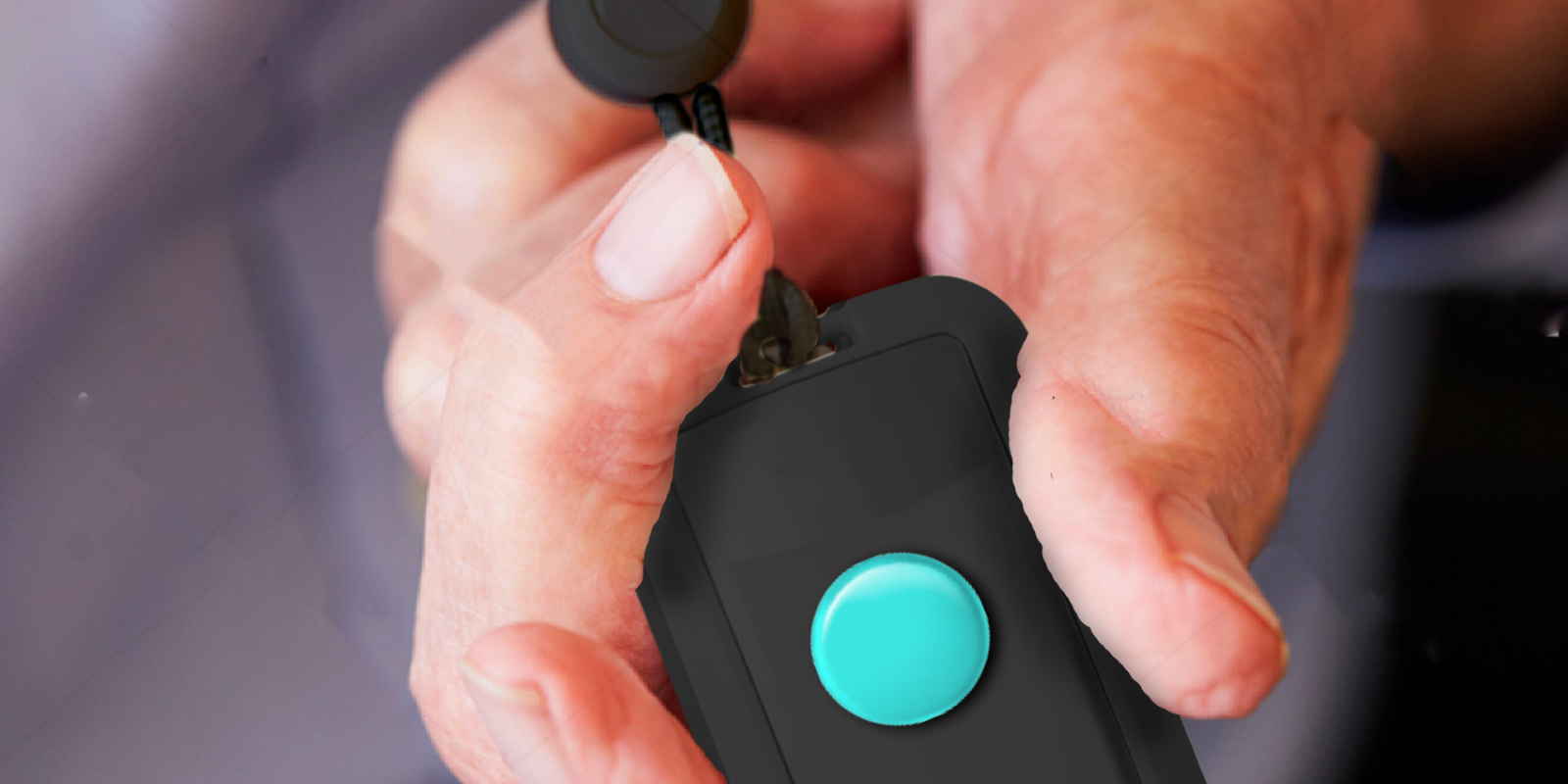
The use of panic buttons in manufacturing facilities can be a great way to provide lone workers with a tool that will help them ask for assistance in an emergency situation. When pressed, panic buttons directly send a notification to relevant panels oversaw by the WHS personnel, who can immediately direct help to the worker.
An even better way to implement this is adding the panic button on a wearable device with RTLS properties. This way, the worker can be easily located anywhere in the facilities, even if they are not in their work station, which will minimize the response time.
Situational Awareness

Wearable devices that track location provide enhanced situational awareness for the user, which can be critical in complex facilities with mobile equipment such as factories and warehouses. The more employees know about their surroundings, the safer they can keep themselves. Wearable devices for safety can be used to warn employees when they are in a dangerous zone or when they are in close proximity to vehicles like forklifts. Situational awareness and location monitoring can be even more important in the case of an emergency. Wearables can track the location of each employee in the case of an emergency situation to make sure everyone is reaching safety.
Monitoring Health Indicators

Health tracking wearables are commonly used by people in their daily lives. Fitness wearables can track and deliver important health-related data such as body temperature, heart rate, blood pressure, oxygen levels and muscle motion to smartphones. Similarly in a workplace setting, wearable devices for safety can be used to monitor these indicators as well as environmental status with air temperature, humidity, pressure, GPS, sound/noise, light data so that both the employee and WHS personnel can have a full picture of the employee’s health and safety status.
Social Distancing & Contact Tracing

The pandemic has brought about a new use-case for wearables in the workplace, which is automating social distancing and contact tracing. While many people switched to working from home, manufacturing facilities require on-premise work to keep open and productive. In these work settings, keeping socially distanced can be difficult due to the complexity of the operations. At the same time, contact tracing when needed can be challenging when relying on testimonies only. Wearables that measure proximity and record risky interactions may be extremely useful to prevent transmission on a large scale by providing management with necessary data to make a risk assessment and take necessary precautions.
Improvement of Processes

The main purpose of wearable devices is data collection, and mining this data can present the management with many actionable insights on how to improve existing processes and procedures. Using a wearable devices for safety to track the number of accident predictors can help WHS personnel in high-risk work settings to focus on implementing solutions rather than spending resources collecting data to quantify and analyze the problem. In fact, one survey of about 1,000 safety professionals shows that more than half of respondents favor using wearables to track safety risk factors. For example, location data can be analyzed to make conclusions about the usage of equipment and zones and bottlenecks in production, the effectiveness of emergency procedures and the effectiveness of the training given to the employees, which can all have safety implications.
Check out Safe Steps for an all-in-one health and safety management tool for better safety for your employees.